Diocese of Strasbourg
Directions
Church of Sainte-Libaire
La Broque — Bruche Valley — Alsace
La Broque — Bruche Valley — Alsace
The Church of Sainte-Libaire in La Broque bears witness to over twelve centuries of religious history in the Bruche Valley. Its origins trace back to a priory founded around 810 by Vicpodus (Vipode), the twelfth abbot of Senones, under the name "Saint-Sauveur de la Cour d'En-Haut." Dom Calmet writes: "It is believed that [perhaps] the parish church of La Broque or Vipucelle was the priory church."
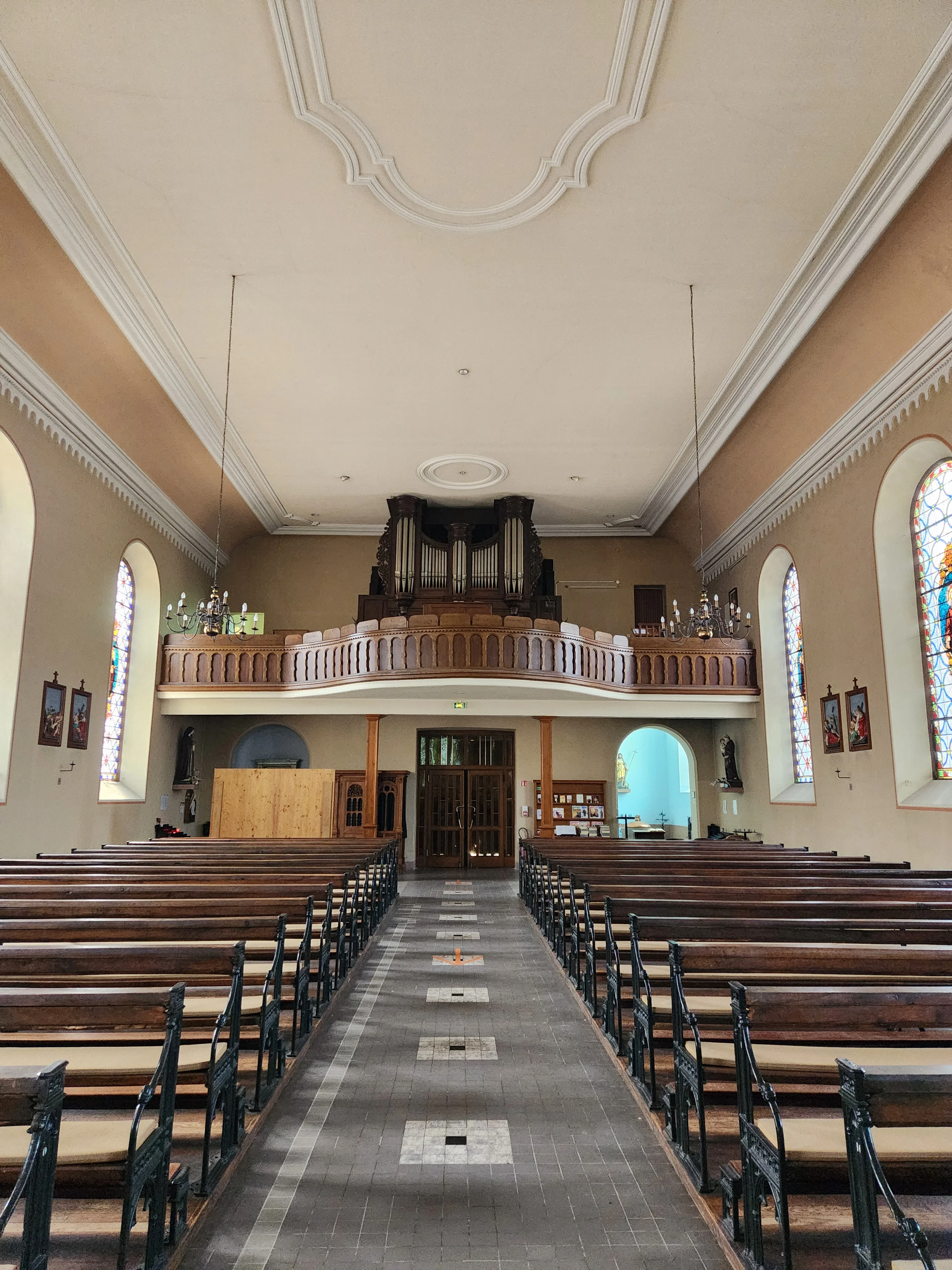
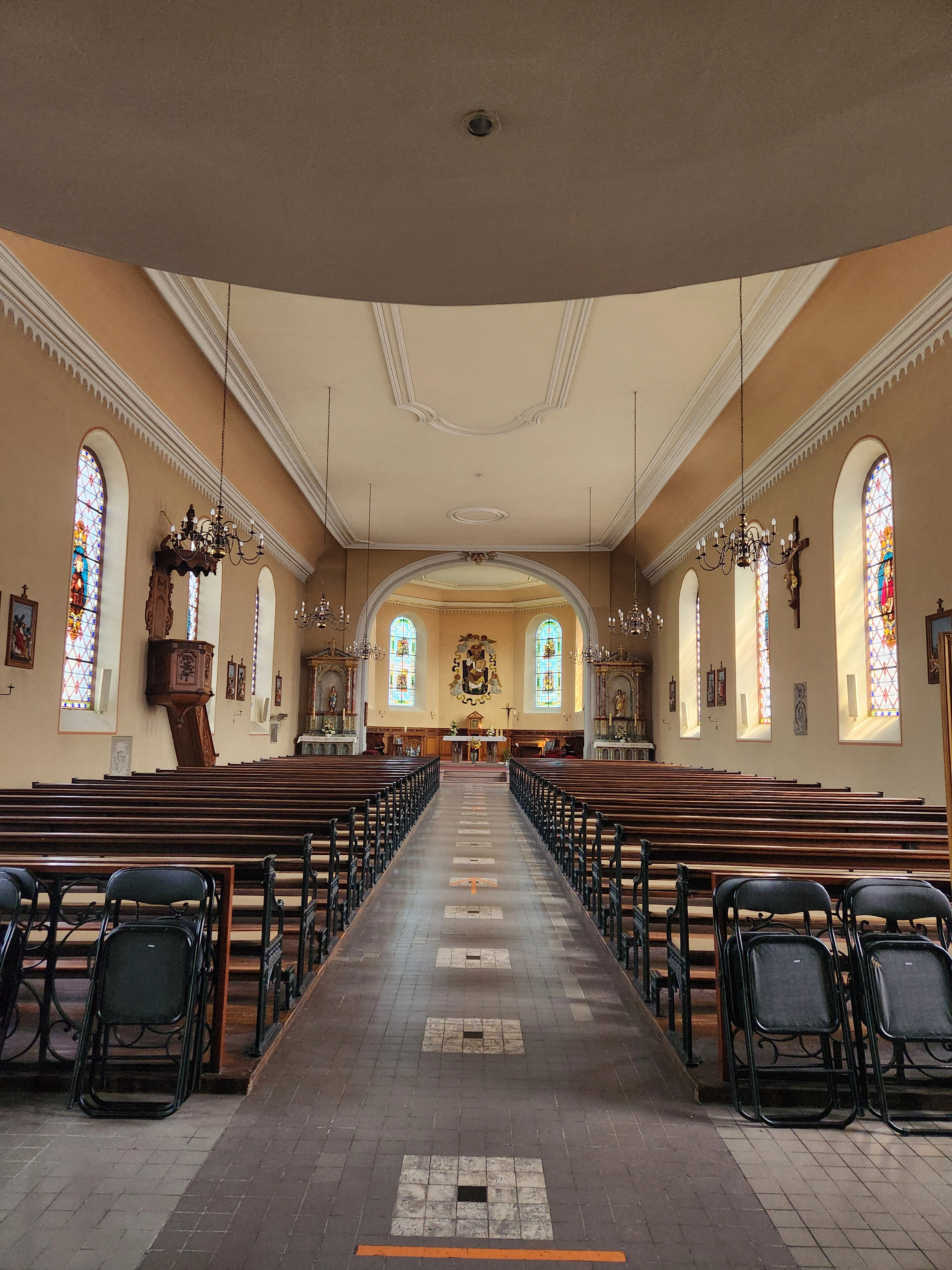
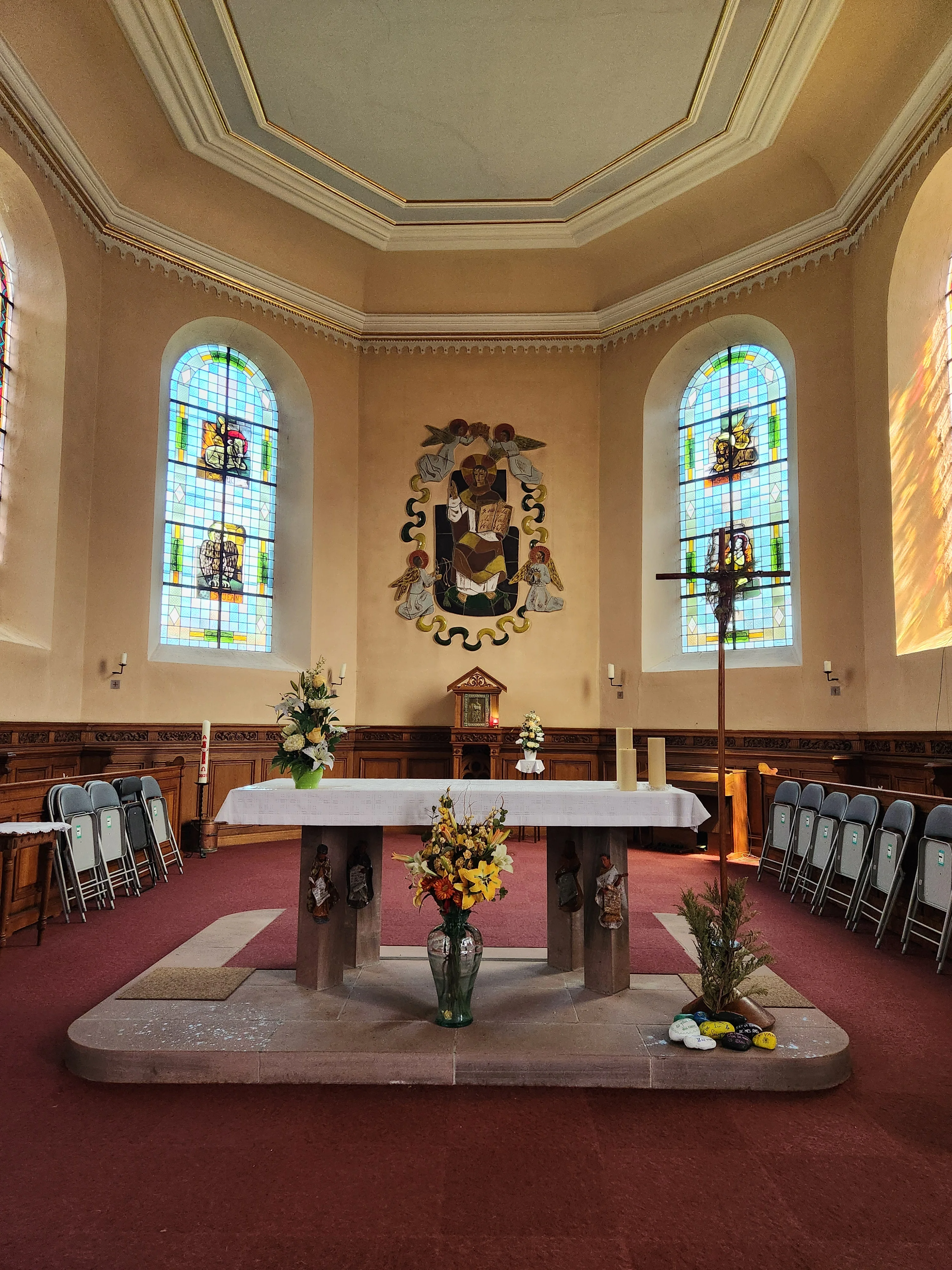
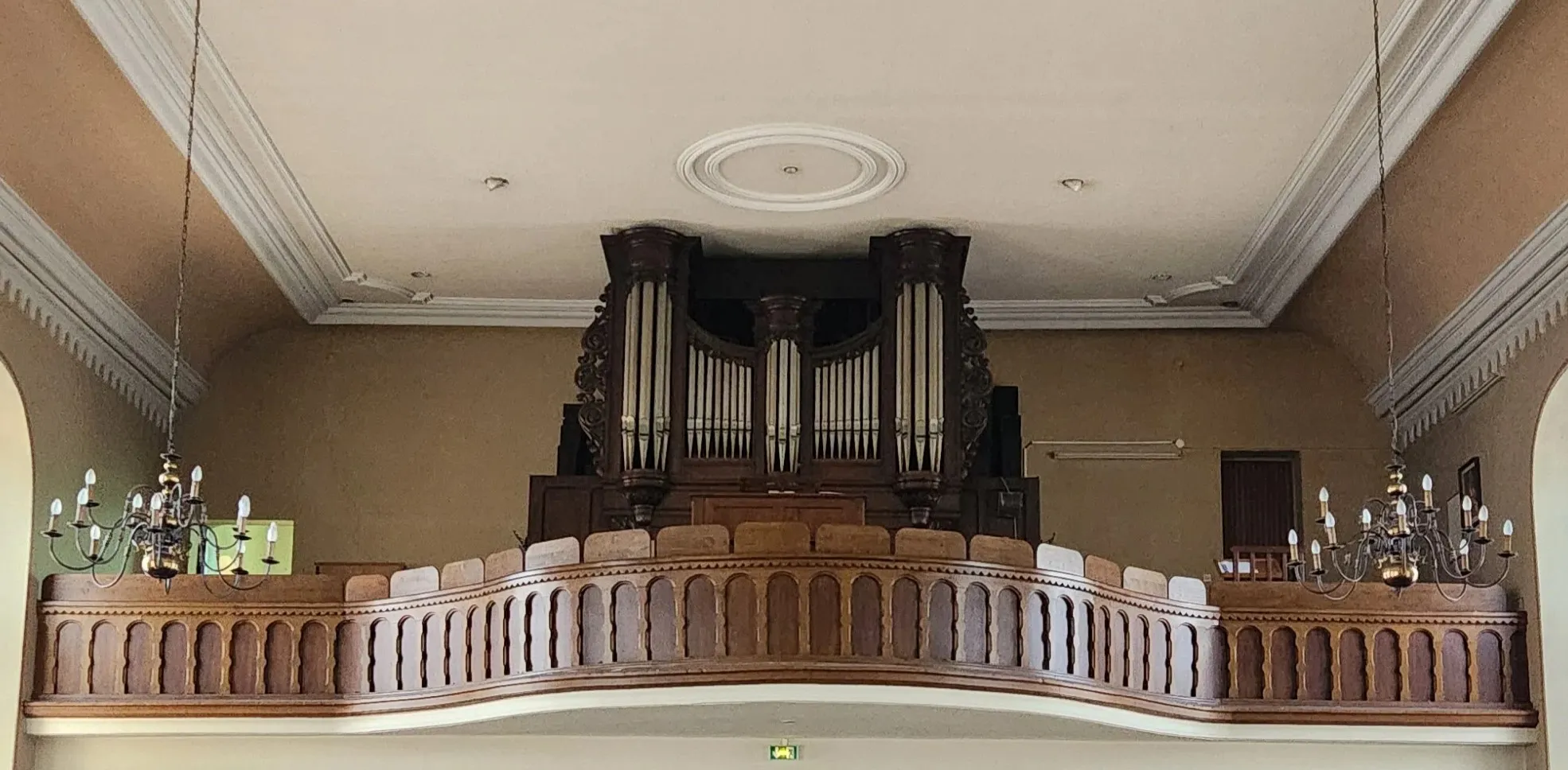
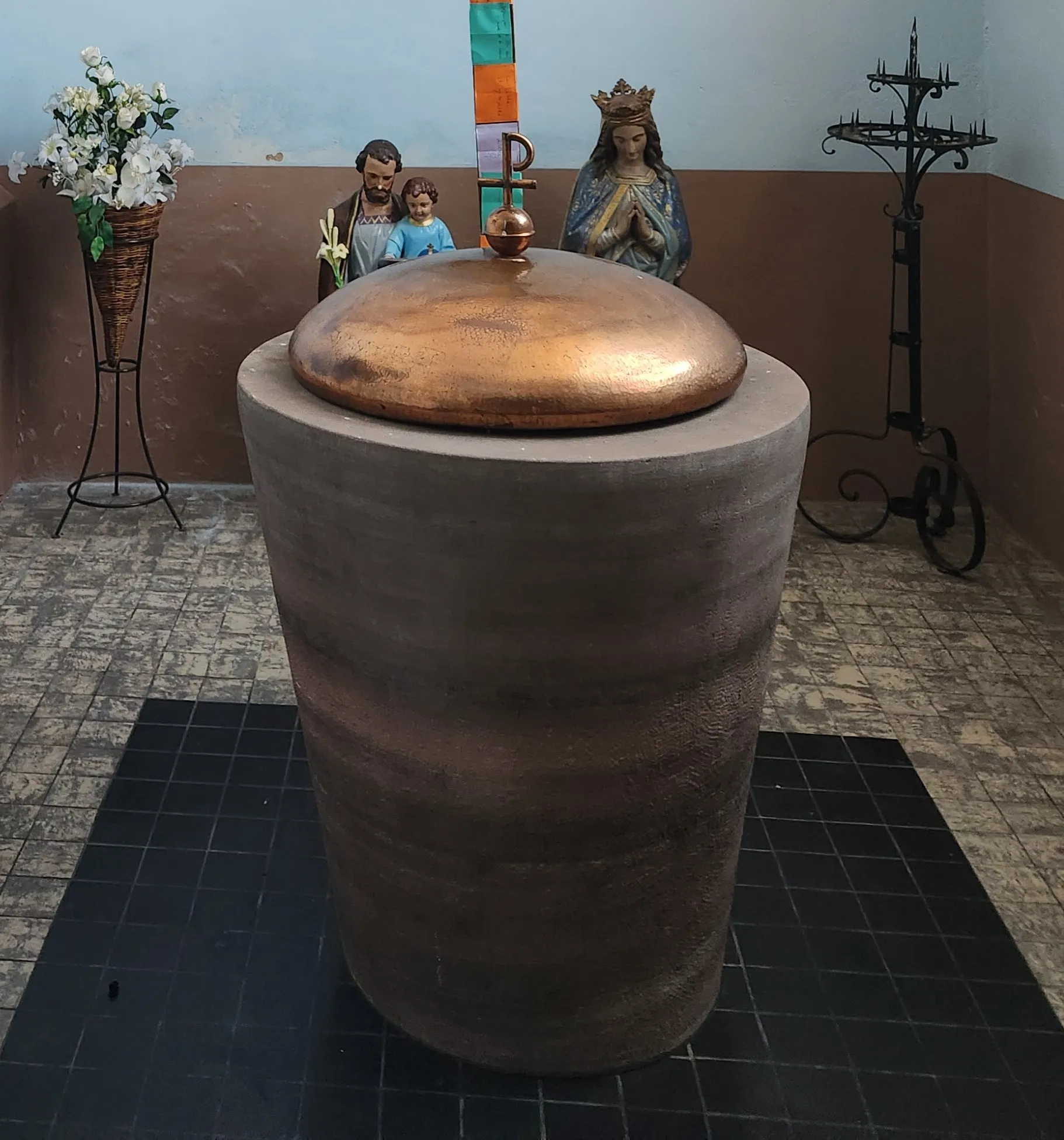
Rebuilt in 1736–1737, with its chancel reconstructed in 1827 and thoroughly restored in 1869 and 1961, the church preserves remarkable treasures: ten grisaille stained glass windows from 1869, a great bell from 1770 listed on the supplementary inventory of classified movable objects, an organ retaining its 19th-century case, and a ceramic Christ the King signed by artist Adeline Hébert-Stevens.
The only church in the Diocese of Strasbourg dedicated to Saint Libaire, it celebrates the liturgical feast of the holy martyr every 8 October.
"How awesome is this place! This is none other than the house of God; this is the gate of heaven."Genesis 28:17
Total height of the bell tower, whose base walls measure 1.25 m thick.
Seating places spread across the 46 oak pews of the nave.
Weight of the great bell of 1770, listed on the supplementary inventory of classified movable objects and the sole survivor of wartime requisitions.
Make up the single-aisle nave, providing a vast and open interior volume.
%20%E2%80%94%20Sainte%20Libaire.webp)
%20%E2%80%94%20Vierge%20%C3%A0%20l%27Enfant.webp)
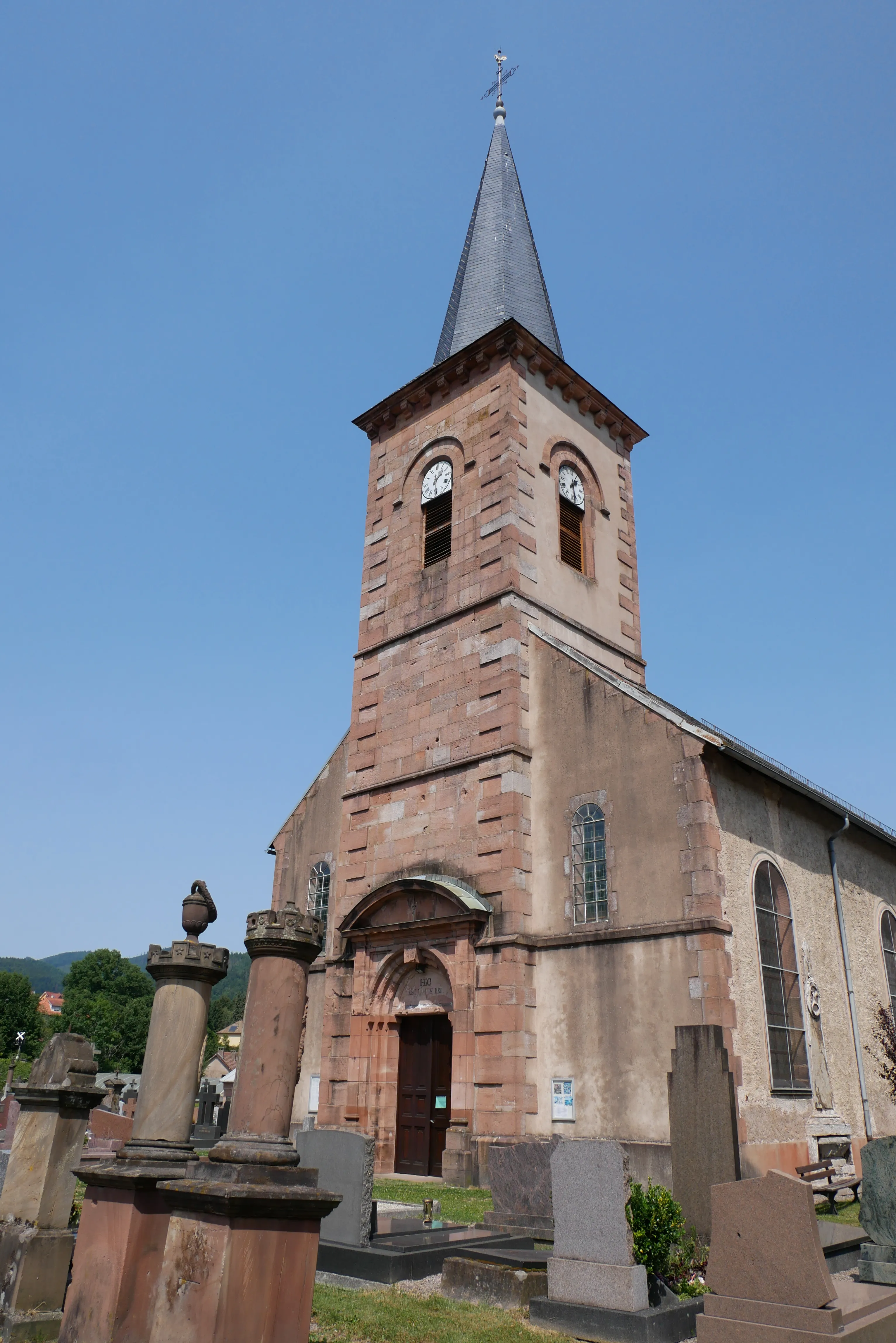
From medieval origins to the solemn consecration of 1961 — the church's history in essential milestones.
Vicpodus, 12th abbot of Senones, founds the priory "Saint-Sauveur de la Cour d'En-Haut" at Vipucelle. Given to the bishopric of Metz in 826.
The church is entirely rebuilt. The date 1737 is carved on the keystone of the portal. Only the tower-porch is preserved.
Cast by Jean-Baptiste Fourno, founder to the King of Poland. A gift from the Princes of Salm. 930 kg, pitch F. Listed on the supplementary inventory of classified movable objects in 1996.
The chancel is enlarged under the supervision of parish priest Jean-François Précheur.
Reconstruction of the nave by architect Grijolot. Installation of ten grisaille stained glass windows (Maréchal & Champigneulle, Metz). Raising of the bell tower.
Joseph Rinckenbach (Ammerschwihr) delivers opus 197: 18 stops on 2 manuals and pedalboard. The 19th-century case is retained.
Bishop Jean-Julien Weber of Strasbourg consecrates the church. Inauguration of the chancel windows by Adeline Hébert-Stevens.
Architect Daniel Zinglé oversees the restoration. A new cross and gilded cockerel are installed.
Ten grisaille windows signed Maréchal & Champigneulle (Metz, 1869). Each depicts a local saint in half-figure. Restored in 1971.
19th-century case in the Callinet tradition; current instrument by Joseph Rinckenbach, 1930, opus 197, 18 stops on 2 manuals.
The great bell of 1770 (930 kg), a gift from the Princes of Salm, is listed on the supplementary inventory of classified movable objects. Two bells from 1923 accompany it.
18th-century pulpit, two side altars from 1869, ceramic Christ the King by Adeline Hébert-Stevens.
Martyr c. 362, patron of the parishes of the House of Salm. The only church in the Diocese of Strasbourg under this dedication.
Rosary Confraternity (1697), Cercle Aloysia (1921), Sainte-Cécile Choir, and the parish priests who have shaped the community.
"Come to me, all you who are weary and burdened, and I will give you rest."Matthew 11:28
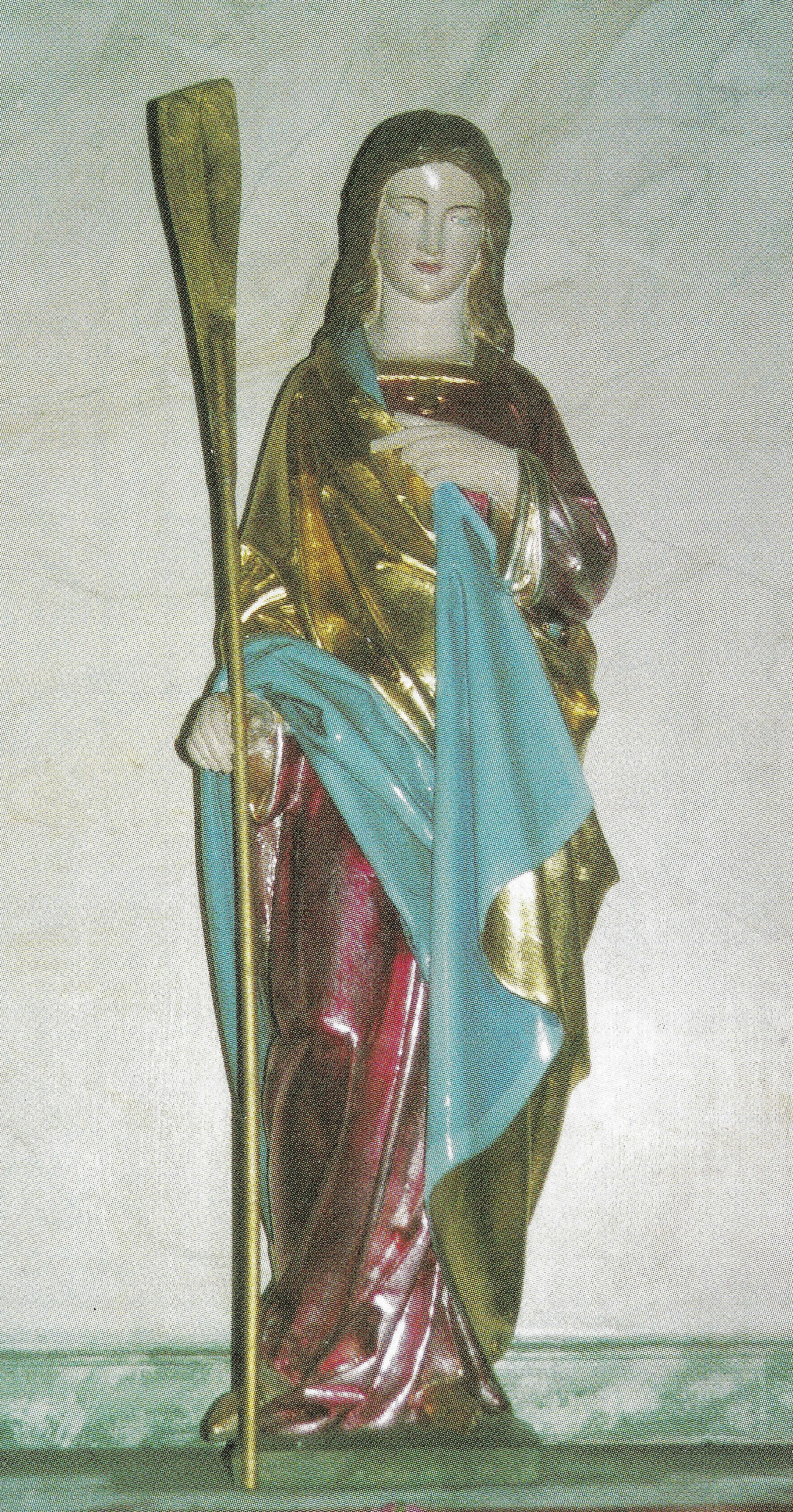
A Christian martyr of the 4th century, Saint Libaire came from a noble family of Toul. During the stay of Emperor Julian the Apostate at Grand (Vosges), she refused to renounce her faith and was condemned to beheading.
According to legend, after being struck, she picked up her head to wash it before dying. Her relics were brought from Grand to La Broque in 1852 by parish priest Précheur.
Saint Libaire is traditionally invoked for protection against hail, storms, lightning, and during periods of drought.
The Church of Sainte-Libaire in La Broque is open every day, offering everyone a place for quiet prayer and peace. The Parish Community of the Pays du Donon welcomes you warmly for Eucharistic celebrations throughout the year, as well as moments of sharing and fellowship.
"I was glad when they said to me, 'Let us go to the house of the Lord!'"Psalm 122:1